Menu
Heike Bruch
← Keynote Speakers

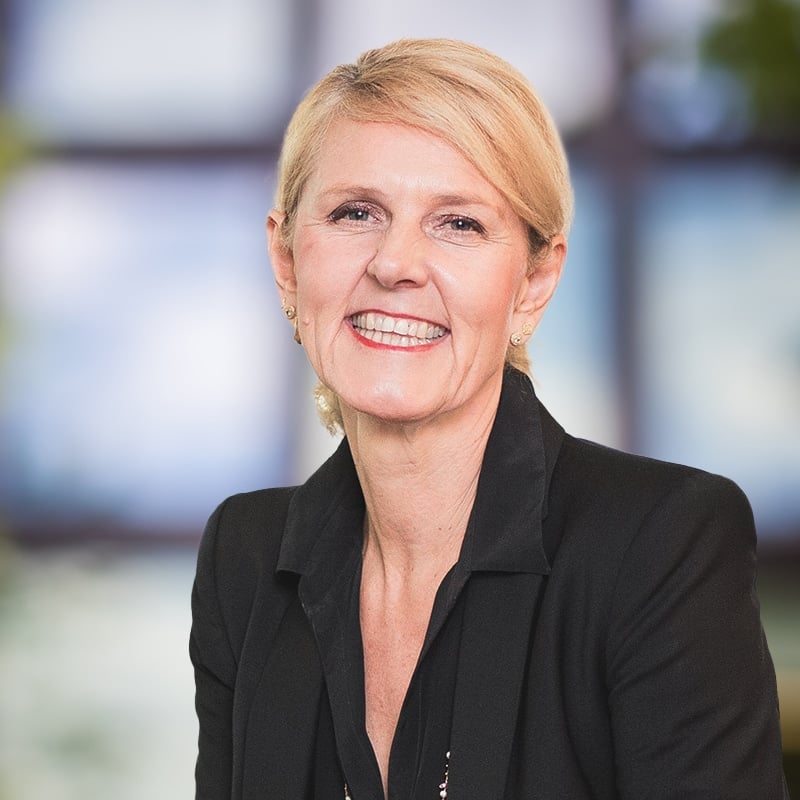
Heike Bruch

Professor of Leadership & Director, Institute for Leadership and Human Resource Management, University of St.Gallen

Leadership Organisational Energy Healthy High Performance Change Engagement Focus

Fee information first. Availability is normally checked once there is a concrete intention to proceed.

What Heike brings

Heike Bruch brings a research-led view of the energy an organisation can mobilise—and the difference between productive intensity and exhausting activity. Her contribution connects leadership, engagement and focus with the capacity to carry change through. For executive teams, the useful question is whether the organisation’s effort serves a shared direction or has become a cycle of acceleration without recovery or clear priorities. Her work makes that distinction visible without reducing the problem to individual motivation. That makes her relevant when a transformation agenda needs to examine capacity, healthy high performance and the leadership choices that help people concentrate their attention and effort on work that matters.

Keynote topics

Organisational Energy: Beyond Being Busy

A team can be intensely active while moving in conflicting directions. Bruch examines organisational energy through its intensity and quality, distinguishing productive mobilisation from inertia or corrosive effort. For leadership and transformation audiences, the discussion asks what collective conditions support execution and how they differ from general enthusiasm. It gives a room a more precise language for considering engagement, shared goals and the relationship between visible activity and meaningful progress.

Escaping the Acceleration Trap

Repeatedly adding demands can exhaust an organisation even when each initiative appears reasonable in isolation. Bruch examines the acceleration trap and the leadership choices behind it. For senior teams, the useful question is how priorities, pace and capacity interact—and when asking for more effort conceals a need to change the system. The discussion connects performance with focus and recovery rather than assuming that permanent urgency is evidence of ambition or commitment.

A Bias for Action: Focus and Purposeful Leadership

Managers can spend a great deal of time working without acting on what matters most. Drawing on A Bias for Action, Bruch examines the relationship between attention, intention and purposeful action. For leadership audiences, the discussion asks which demands consume energy and which choices move the organisation towards its goals. It distinguishes deliberate execution from reactive busyness, helping a room examine how leaders use their limited capacity rather than simply adding another productivity technique.

Healthy High Performance Through Change

Sustained performance depends on more than maintaining a high tempo. Bruch connects leadership and organisational energy with the conditions under which people can contribute without being depleted by constant change. For executive and HR audiences, the discussion asks how to recognise overload, focus collective effort and support new ways of working. It places well-being and performance in the same organisational conversation instead of treating recovery as a private responsibility after the work is done.

Heike Bruch is Professor of Leadership at the University of St.Gallen and director of its Institute for Leadership and Human Resource Management. Her research concerns organisational energy, healthy high performance and new forms of leadership and work. She examines how organisations mobilise people’s emotional, cognitive and behavioural resources towards shared goals.

Bruch has held her professorship at St.Gallen since 2001 and the institute’s managing directorship since 2013. Her earlier academic work included research and teaching at the University of Hannover and visiting and research roles at London Business School. This career connects organisational research with executive education and the questions leaders face in practice.

Her research on organisational energy distinguishes intensity from quality. An organisation can be busy without being productively directed; equally, a comfortable atmosphere may conceal a lack of movement. The framework examines productive energy, pleasant energy, resignative inertia and corrosive energy, helping make different collective conditions more discussable than a single engagement score or a general appeal for enthusiasm.

With Sumantra Ghoshal, Bruch wrote A Bias for Action, examining purposeful managerial action and the use of attention and willpower. Her subsequent research extends into leadership, employer attractiveness, demographic management and sustainable performance. Recent St.Gallen discussions of her work address the acceleration trap: the relationship between increasing activity, leadership demands and organisational exhaustion.

For executive audiences, Bruch offers a way to connect the human experience of change with the organisation’s priorities and capacity. A useful brief might concern initiative overload, an apparently engaged workforce that struggles to execute or a leadership team unsure how to sustain performance. Her perspective asks where energy is directed and what leaders should stop, focus or change—not simply how to persuade people to work harder inside an overloaded system.

Watch Heike in action.

"Digital Leadership & Transformation. Between Speed and the Acceleration Trap" w/ Prof. Heike Bruch — University of St. Gallen Executive Education

Ep. 20: Organizational Energy and Leadership Culture, Prof. Heike Bruch - Keynote — Leaders Talk - by Leadership Choices

Interested in Heike?

Send us the event context and we’ll come back personally with the relevant fee information and next steps.

SPEAKER ENQUIRY

Ask about Heike Bruch.

Tell us about your event. We’ll review the current fee information and come back to you personally.

Prefer WhatsApp? Message us directly ↗

Selected speaker: Heike Bruch