A curated 3+1 example for leaders who need practical tools to reduce resistance, create alignment and build momentum through organisational transformation.
Transformation is rarely blocked by the plan. It is blocked by friction.
Organisational transformation is no longer a one-time initiative. Restructuring, new technology, strategy shifts, cultural renewal and rapid scaling all ask leaders to create clarity while people are adapting in real time.
Strong change-management keynotes translate transformation theory into behaviours leaders can use immediately: communication, alignment, trust, psychological safety and practical ways to reduce resistance.
The 3+1 example below shows three direct approaches to change, plus one deliberately different perspective designed to shift the room’s mindset.
Start with the question.
This is the event context behind the example shortlist below.
Language
English
Format
On-site leadership summit
Audience
Mid- to senior-level leaders
Key question
How can leaders navigate transformation while reducing internal resistance and keeping teams aligned?
Desired impact
Equip leaders with actionable tools to navigate transformation and reduce internal resistance.
Three strong fits for this brief.
Each recommendation brings a different route into the same business question.
01
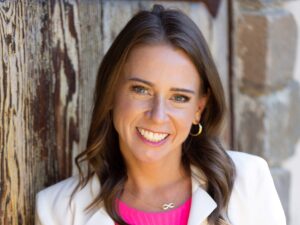
Rebecca Homkes
Strategy Lecturer, London Business School | Bestselling Author of 'Survive, Reset, Thrive' | YPO Faculty
Rebecca shows leaders how to make strategy and transformation work when assumptions keep changing: set a clear direction, decide what must reset, and create a cadence for learning and execution.
Why this fits
She adds the senior strategic layer the brief needs, connecting alignment and resistance to the real choices, priorities and operating rhythms of transformation.
02
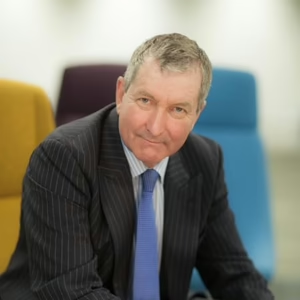
Chris Roebuck
High Performance, Leadership & Transformation Expert
Chris distills 25+ years across military, public, and private sectors into a simple three-step system grounded in psychology and neuroscience. He shows how leaders create clarity, trust, and momentum so people choose to support change.
Why this fits
A practical fit for leaders who need a toolkit to navigate transformation, align goals and reduce resistance through habits that stick.
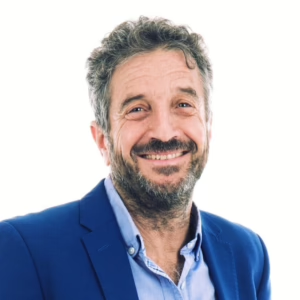
Tom teaches leaders how to rewire mindsets that block change using applied neuroscience. He unpacks fixed versus growth responses and offers habits that increase certainty, reward and psychological safety.
Why this fits
A strong fit for analytical audiences wanting science-backed techniques to lower resistance and turn sceptics into contributors.
+1
Not the obvious choice. Still relevant to the brief.
Bruce Daisley
Former VP of EMEA, Twitter | Workplace Culture Expert | Bestselling Author of 'Fortitude'
Bruce uses evidence from workplace research to show how energy, belonging and team conditions shape whether change becomes sustainable or simply exhausts people.
Why the wildcard
A useful counterpoint to classic change frameworks: he moves the discussion from persuading individuals to redesigning the environment in which new behaviours must take hold.
Now make the shortlist yours.
The example above starts with one particular audience and one particular question. Your event may need a completely different route into the same topic.
01
Give us the context. Audience, event reality and what the keynote should actually answer.
02
We search for fit. Scurati matches the brief against 5,000+ structured speaker profiles.
03
You receive 3+1. Three relevant matches, one fresh perspective — then refinement with your Scurati consultant.
Free & no obligation. The first shortlist is a starting point, not a commitment.
An expert who helps leaders understand human behaviour during change and provides practical tools for communication, alignment and adoption.
Why are Change Management speakers important today?+
Because organisations experience constant transformation, and leaders need proven frameworks to reduce resistance and sustain momentum.
What topics do Change speakers cover?+
Organisational change, transformation leadership, neuroscience of change, communication, culture, resistance management and team alignment.
How does Scurati select keynote speakers for the shortlist?+
Scurati matches the event brief against its structured speaker database using audience, context and desired impact. The result is a focused 3+1 starting point rather than a catalogue of loosely related names.
What happens after the shortlist?+
Your Scurati consultant reviews the selection with you, confirms fit, fees and availability, and guides the selected speaker through negotiation and booking.
Continue exploring the landscape.
Privacy at Scurati
We use essential technologies to run this site. Optional analytics and measurement help us understand and improve how it is used.
Privacy settings
Your choice
Essential
Required for core website functions and always active.