

THE ARGUMENT IN 60 SECONDS
- The shift: Event teams are concentrating resources on fewer, more intentional gatherings while increasing workshops, roundtables and structured interaction.
- Why it matters: A keynote can create a shared reference point, but much of its strategic potential disappears if the idea disappears with the applause.
- The decision: Curate the speaker engagement as a sequence: frame the question, interpret it in smaller formats, reactivate it after the event and create a route to application.
The one-hour keynote is becoming an incomplete unit
For decades, the speaker engagement was easy to describe. A speaker arrived, delivered a keynote, answered a few questions and left. The programme moved to the next session.
There is nothing inherently wrong with that model. A strong keynote can focus attention, create energy and give a large audience a common language remarkably quickly.
What is changing is the environment around it.
Forrester’s Q1 2026 State of B2B Events Survey gathered responses from more than 400 event decision-makers globally. Nearly 70 per cent said their organisations were reducing the number of events they run while protecting the attendee experience. A majority planned more intimate networking and in-person events with fewer than 200 attendees; only 18 per cent planned more large hosted events. Two-thirds planned more workshops, roundtables and structured networking.
The signal is not that the main stage is disappearing. It is that the event is becoming more intentional about what deserves to happen there — and what should happen around it.
The future keynote is not only a piece of content. It can become the common reference point around which the rest of the event is designed.
If information can travel anywhere, what deserves to happen in the room?
The Meetings Show asked event professionals to imagine the industry in 2036 through a structured futures workshop. The organisers explicitly describe the exercise as a desired future rather than a prediction. Participants expected sophisticated technology, but repeatedly placed human connection, community and creativity at the centre of the experience.
That distinction matters because digital content is no longer scarce. A presentation can be streamed. A report can be summarised. AI can turn a sixty-minute session into five takeaways before the audience reaches the coffee queue.
Physical presence therefore needs a stronger reason than access to information.
A keynote retains one unusual advantage: hundreds or thousands of people can encounter the same argument at the same moment. They hear the same evidence, question the same assumption and acquire the same language for a problem.
That creates a shared reference point. The value is not merely that everyone received information. It is that the organisation temporarily reduced the number of different conversations it was having.
The stage creates the frame. The room creates consequence.
Research reported by Skift from Freeman, based on more than 3,300 attendees and exhibitors, found that participants would ideally spend 54 per cent of their learning time outside traditional session rooms; at trade shows, the figure reached 64 per cent. Respondents also rated learning from exhibitors and peer conversations slightly above traditional sessions.
That does not prove that peer conversation is inherently superior to expert content. It suggests that attendees value the ability to interpret information through interaction.
A keynote can establish the external reality: what is changing in AI, geopolitics, leadership, climate, customers or work. A smaller dialogue can ask a different question: What does this mean for us?
That might be a leadership roundtable after the keynote, a closed-door executive briefing the following morning, a moderated client dinner, a workshop built around one framework from the speech or a fireside conversation in which the audience can challenge the argument rather than simply receive it.
The speaker is not filling additional agenda space. Each format is doing a different intellectual job.
The event does not have to finish when the audience leaves
There is a second boundary worth challenging: time.
Cvent’s 2026 discussion of event content argues that organisers should think across the full event lifecycle rather than treating content as something confined to the event itself. It also warns against reducing post-event content to disconnected highlight videos, social clips and generic recap material without a clear purpose.
The distinction is important.
Post-event marketing reminds people that the event happened. Post-event learning gives them a reason to use what happened.
Imagine that a speaker introduced a framework for making decisions under uncertainty. Three days later, attendees receive a two-minute video from the speaker asking them to identify one assumption in their current strategy that would fail under a different scenario. A week later, team leaders receive one discussion prompt built around the same framework. Several weeks later, selected participants join a short virtual Q&A around the questions that appeared when they tried to apply it.
None of those elements needs another keynote. Their job is to reactivate the original one.
Shorter content is useful when it reactivates — not merely repeats
There is a tempting marketing claim here that should be resisted: that a sequence of short videos automatically makes a keynote “stick”. The evidence does not establish that.
There is, however, a substantial learning-science literature showing that revisiting material over time and actively retrieving knowledge can strengthen retention in many learning environments. A large study published in Academic Medicine, involving more than 26,000 practising family physicians and residents, found better learning and later knowledge transfer among participants exposed to spaced repetition than among those without it.
A corporate keynote is not medical education, and watching a video is not the same intervention as retrieval practice. The evidence therefore supports a design principle rather than a promise.
The useful question is not: How can we send attendees more content?
It is: What should we ask them to remember, reconsider or apply once normal work has begun competing for their attention again?
A two-minute video containing one sharp question may be more useful than replaying an entire forty-five-minute speech. A short prompt asking leaders to retrieve a framework and apply it to a current decision may be more useful than an executive summary they never open.
More content is not reinforcement. Purposeful reactivation can be.
The Scurati Speaker Continuum
A speaker engagement can be designed across four distinct moments. Not every brief needs all four. The value lies in deciding deliberately where the engagement should begin and end.
Frame
The keynote establishes the question, perspective and shared language.
Interpret
A roundtable, fireside or workshop brings the argument into contact with the audience’s own reality.
Reactivate
A short video, prompt, reading or Q&A resurfaces the idea after the event.
Apply
A later conversation asks what changed, what was tried and which question remains unresolved.
The engagement becomes a sequence: attention → interpretation → reactivation → application.
The model is deliberately not a package that every client should buy. A product launch may need a memorable keynote and nothing more. A board strategy meeting may need no keynote at all, but a ninety-minute expert dialogue. A leadership transformation may benefit from a stage intervention followed by smaller sessions and later reinforcement.
Curation therefore has to include format, not just name.
Design the continuation before the contract
Extending a keynote beyond the stage changes the booking conversation. A follow-up video is not automatically part of a speaking fee. Neither is an executive roundtable, workshop, podcast recording, virtual Q&A or permission to reuse the keynote recording for months afterwards.
If a wider engagement matters, it should be scoped before contracting.
SCOPE THE WHOLE ENGAGEMENT
- Live formats.Keynote, fireside, briefing, workshop, roundtable or closed-door session each require different preparation and time.
- Follow-up.Define whether later content is custom or existing, live or recorded, and what question it is meant to reactivate.
- Usage rights.Agree recording, editing, internal distribution, public use, duration and platform before content is created.
- Audience access.Clarify whether the speaker will answer later questions, join a virtual session or interact with a smaller group.
These are not administrative details added after the creative work. They determine whether the engagement imagined by the event team can actually be delivered.
Not every great keynote speaker is equally strong beyond the stage
Stagecraft and dialogue are related skills, but they are not identical.
One speaker may be extraordinary in front of two thousand people yet less effective in an unscripted executive discussion. Another may have less theatrical stage energy but become exceptionally valuable when ten senior leaders can challenge their assumptions for ninety minutes.
Some experts are natural facilitators. Some are provocateurs. Some are strongest when analysing questions in real time. Others have spent years refining a keynote whose power depends precisely on its structure.
Neither is automatically better. The engagement has to match the job.
This means speaker selection increasingly needs to consider more than subject expertise, biography and showreel. It also needs to ask how the expert works across keynote, briefing, fireside, roundtable, workshop and closed-door discussion — and whether a credible continuation after the stage is part of the brief.
The future speaker is not only someone worth listening to. It is someone worth gathering around — and, when the brief requires it, returning to.
Measure whether the idea survived
Immediate satisfaction still matters. If an audience found a keynote irrelevant or poorly delivered, later reinforcement will not rescue it.
But applause, ratings and social posts measure the immediate experience. If the objective was strategic, organisers can also look later.
Did participants still remember the central framework? Did managers use it in subsequent discussions? Which question generated the strongest follow-up? Did people join the later dialogue? Did examples of application begin to appear? Did the speaker’s language become useful shorthand for a problem the organisation needed to discuss?
None of those measures proves that the keynote alone caused a business result. Organisations are too complex for that claim.
They do reveal whether the event produced something more durable than a good hour.
Four lenses on an event that continues
The shift is not one conversation. It combines gathering design, event foresight, trust and practical application. These four perspectives show how a speaker engagement can create value before, during and after the stage moment.
Purposeful gathering

Priya Parker
How purpose and structure determine what becomes possible when people come together — and why inherited event formats should not decide the experience by default. ↗Event futures
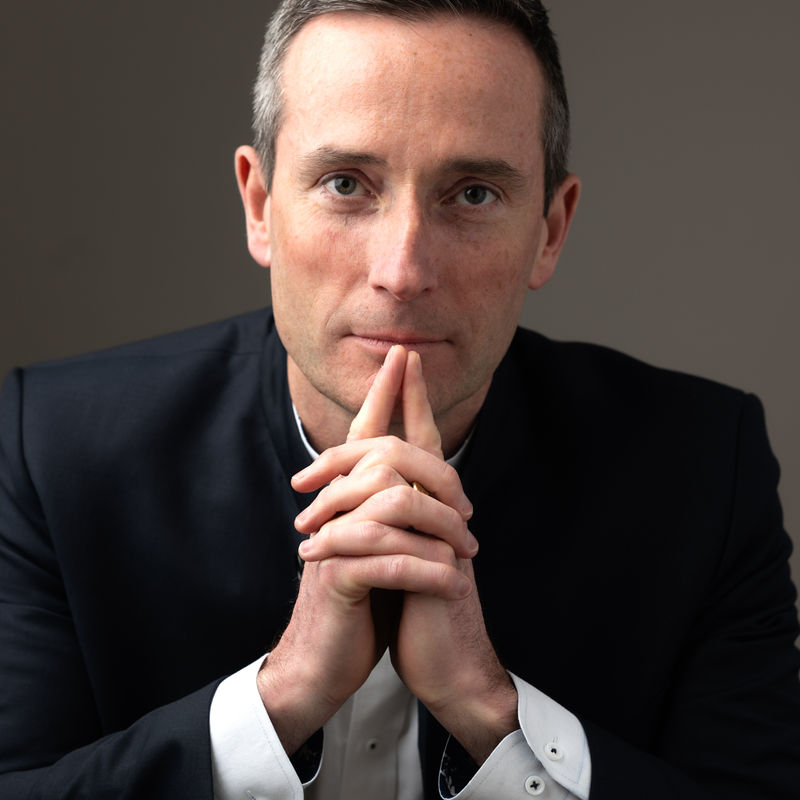
Graham Norris
How event futures research, organisational psychology and foresight can help planners decide what technology should enable — and what still deserves to happen between people in the room. ↗Trust & participation
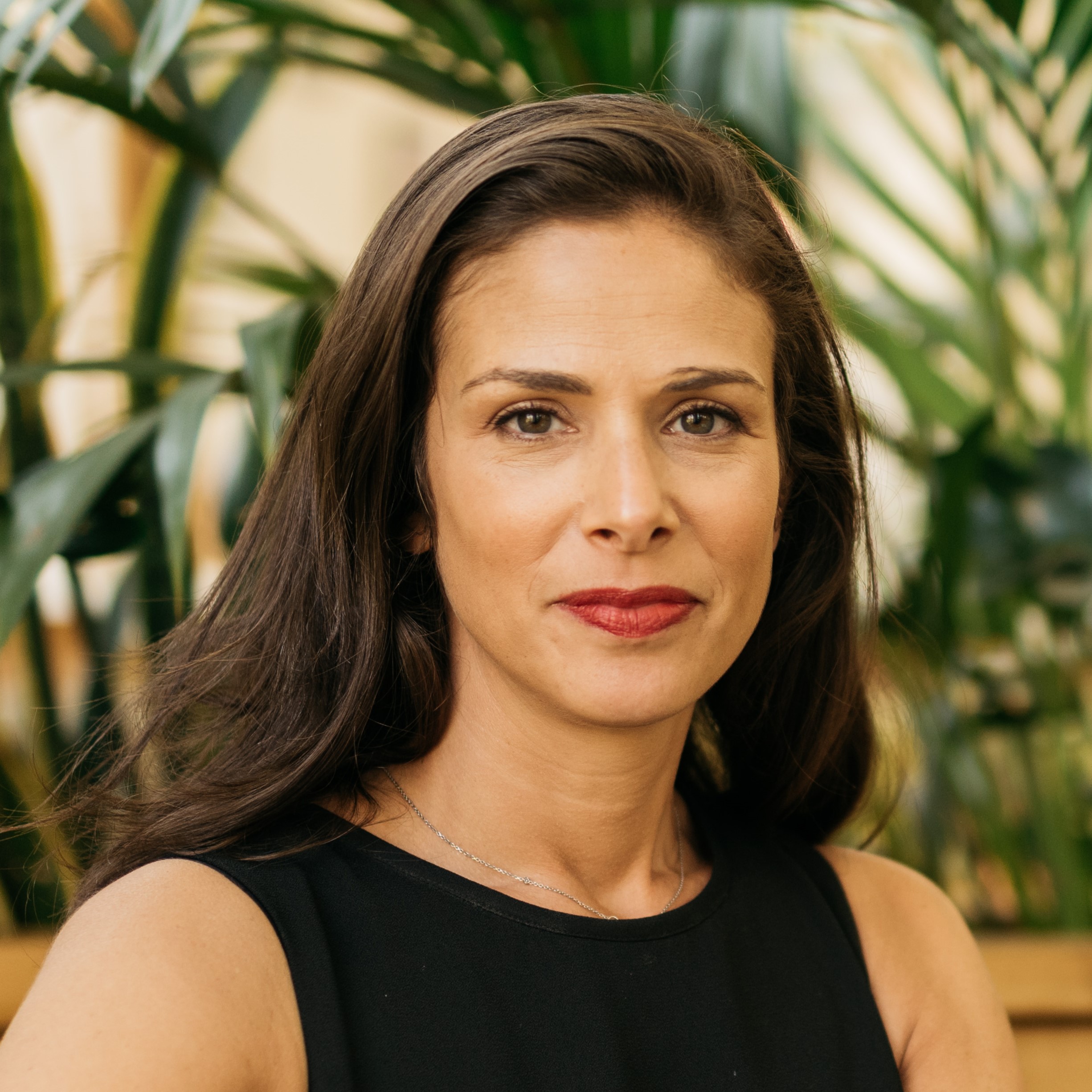
Rachel Botsman
Why interaction depends on trust: people need enough confidence in the room to ask real questions, expose uncertainty and engage rather than simply consume. ↗The +1 · Keynote → application
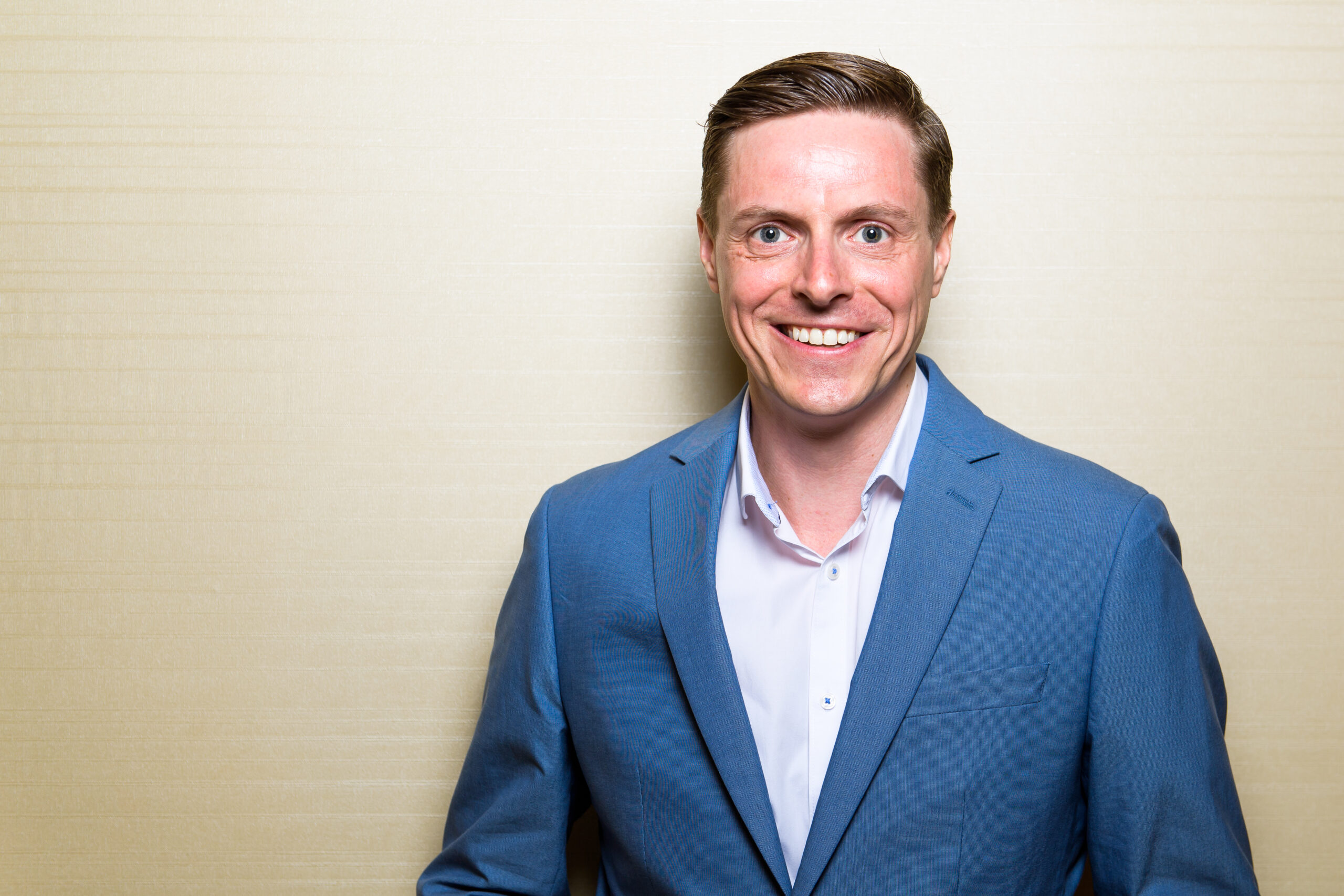
James Taylor
How a keynote can deliberately continue into workshops, practical activities and post-event resources — turning AI and innovation content from a stage moment into something participants can use. ↗These are different engagement strengths, not interchangeable names. The right combination depends on what the audience should understand, discuss and continue working on after the event.
For the underlying selection method, read why the right keynote starts with the question.
BOOKS SHAPING THE CONVERSATION
The Art of Gathering
Priya Parker · 2018
A practical argument for designing gatherings around purpose rather than convention — useful for deciding what genuinely deserves to happen while people are together.
Make It Stick
Peter C. Brown, Henry L. Roediger III & Mark A. McDaniel · 2014
A foundational synthesis of learning research that helps distinguish repeated exposure from practices that require people to retrieve and use what they have learned.
Who Can You Trust?
Rachel Botsman · 2017
A broader lens on trust in changing systems — relevant when events ask participants to move from passive listening into candid exchange, challenge and collaboration.
The event should create somewhere for the idea to go
The event industry does not need to choose between keynotes and participation, physical events and digital content, or human expertise and technology.
The stronger model assigns each one a job.
Technology can make content available and remove friction. The keynote can create shared attention. Smaller conversations can make an argument specific. Follow-up can return attention to the ideas that deserve another encounter.
That changes the question event owners should ask when selecting a speaker.
Not simply: Who should we put on stage?
What should happen in the room because this person was on stage — and what should still be happening after everyone has left it?
A keynote can be the centre of an event without being the end of the conversation.
The applause tells you the session worked. What happens next tells you whether the idea survived.
SELECTED SOURCES
- The Meetings Show — Future of Events Report
- Forrester — The Next Era of B2B Events: Eight Data-Backed Shifts Defining 2026
- Skift Meetings — Why Attendees Say the Best Learning Isn’t in the Session Room
- Cvent — Audiences Have Changed. Has Your Event Content Strategy?
- Academic Medicine — The Effect of Spaced Repetition on Learning and Knowledge Transfer
- Priya Parker — The Art of Gathering
- Oxford Saïd — Rachel Botsman on Trust
- David Rowan — Biography
