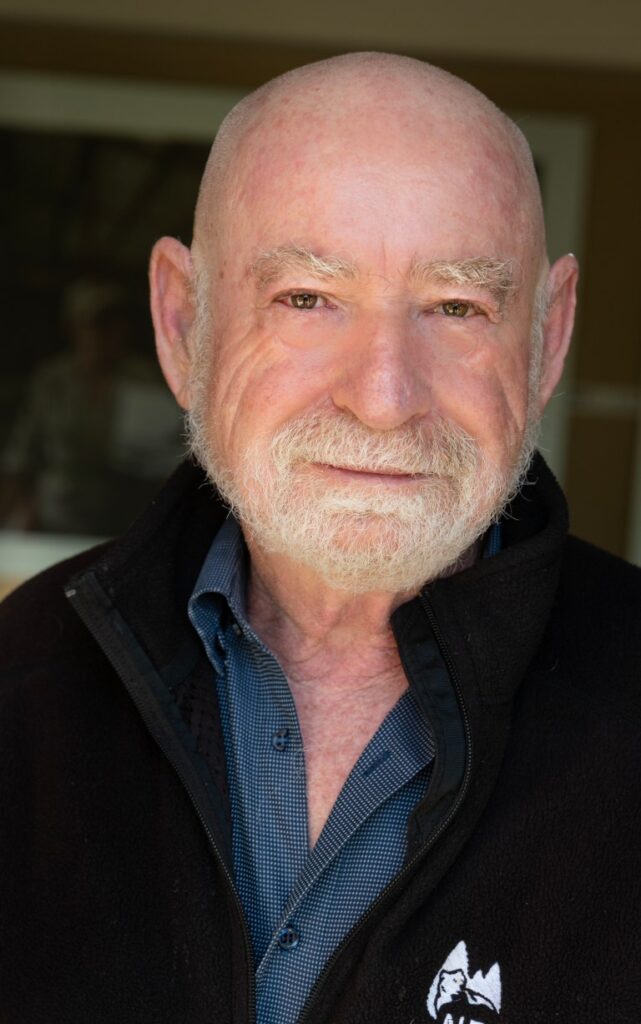
Peter Schwartz is a futurist, business strategist and author whose work centres on scenario planning. He is Senior Vice President of Strategic Planning and Chief Futures Officer at Salesforce, where he leads Salesforce Futures and the company's ongoing strategic conversation. His work considers long-range change across technology, geopolitics and the wider environment in which organisations operate.
Schwartz joined Salesforce in 2011. Before that, he co-founded and chaired Global Business Network, a firm associated with the development of scenario planning in corporate strategy. Earlier in his career, he spent a decade at SRI International. He holds a degree from Rensselaer Polytechnic Institute. Across these settings, his work has connected the exploration of possible futures with questions facing businesses, governments and other institutions.
His book The Art of the Long View presents scenario thinking as a way to examine the future and develop strategic perspective. It remains a central reference in his public work. The approach asks people to explore different contexts, question assumptions and consider how their choices might fare as circumstances change. The purpose of a scenario conversation is to improve how a group understands its options and the uncertainty surrounding them.
Schwartz has also advised filmmakers, including on Minority Report and WarGames. That work draws on the imaginative dimension of futures thinking: making an unfamiliar world sufficiently concrete that people can discuss its implications. In a business setting, the same capacity can help leaders move beyond familiar descriptions and consider how a changed environment could affect customers, institutions and the organisation itself.
For leadership audiences, Schwartz brings experience in sustaining a strategic conversation over time. His current work at Salesforce includes the implications of AI and geopolitical change. He is relevant when a team needs to widen its view before making a consequential commitment, or when an established plan rests on assumptions that deserve scrutiny. His contribution is to help connect alternative futures with the choices and questions the organisation needs to address today.