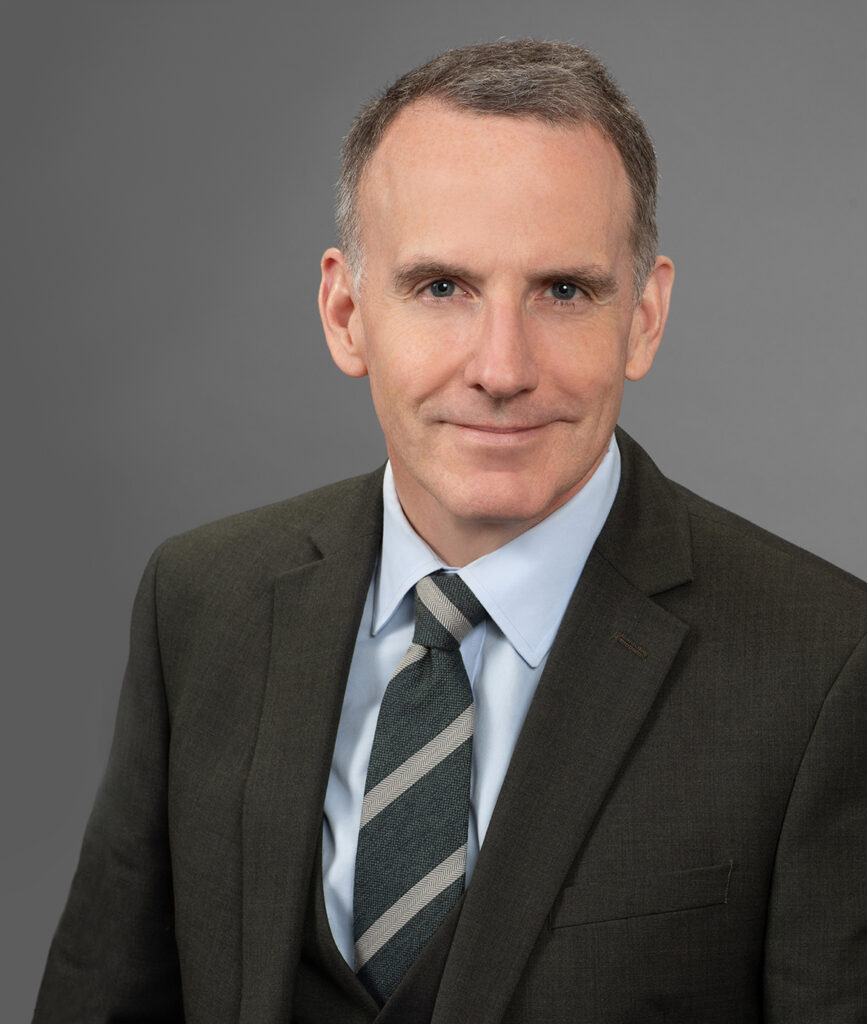
Edward Glaeser is the Fred and Eleanor Glimp Professor of Economics at Harvard University, where he has taught since 1992. His research focuses on cities, economic growth, infrastructure and the ways people learn from one another. He examines both the benefits of urban concentration and the conditions needed to make those benefits available.
Glaeser received his undergraduate degree from Princeton University in 1988 and his doctorate in economics from the University of Chicago in 1992. His academic career connects economic theory with questions about housing, public policy, entrepreneurship and development. His work includes research on cities in both established and developing economies.
His book Triumph of the City makes the case for cities as centres of economic and human possibility, while examining problems including congestion, housing costs and the constraints on growth. With David Cutler, he wrote Survival of the City: Living and Thriving in an Age of Isolation, published in 2021, extending the discussion into urban health, resilience and the challenges revealed by isolation.
Glaeser leads the Urban Economics Working Group at the National Bureau of Economic Research and co-leads the Cities Programme of the International Growth Centre. His earlier roles include directing Harvard’s Taubman Center for State and Local Government and the Rappaport Institute for Greater Boston, and chairing Harvard’s economics department. His research on urban productivity connects education and entrepreneurial capability with the institutions and infrastructure required to address the costs of city life.
For executive audiences, Glaeser is relevant when a regional strategy needs to consider the quality of a place, not simply the size of a national market. A useful brief might concern urbanisation, access to talent or the conditions supporting enterprise. His perspective encourages leaders to examine the interaction between people and places rather than assuming that a growing city automatically creates accessible opportunity or a stronger operating environment.